A tidy-up is a list of jobs, not a new garden design.
The published garden clean-up service includes leaves, branches, weeds, pruning and seasonal work. Discuss the tasks that apply to your garden and confirm their extent. It can suit a space where routine jobs have accumulated, a seasonal clear-up or a resident who needs help making paths and beds accessible again.
Landscaping, new planting schemes, structural repairs and substantial tree work are different requests. Do not infer them from a general tidy-up booking. Photograph the garden from several angles and identify the work you want, rather than simply asking for everything to be cleared. A useful brief protects the plants and features you want to retain.
Mark the plants and areas you want to keep.
A neglected-looking bed can still contain valued plants, bulbs or deliberate wildlife habitat. Point out those areas before removal begins. If a plant is unidentified, ask for assessment rather than assuming it is a weed. Decisions about what stays should be made with you, not left to a guess based on appearance.
Explain boundaries, shared planting, ponds, delicate pots and garden features. Access to neighbouring property or changes to a shared hedge require their own arrangement. The clean-up brief should define the working area clearly, including spaces that must be left alone. Keeping a corner undisturbed can be a deliberate part of the plan.
Beds and edges
Weeding needs a practical boundary.
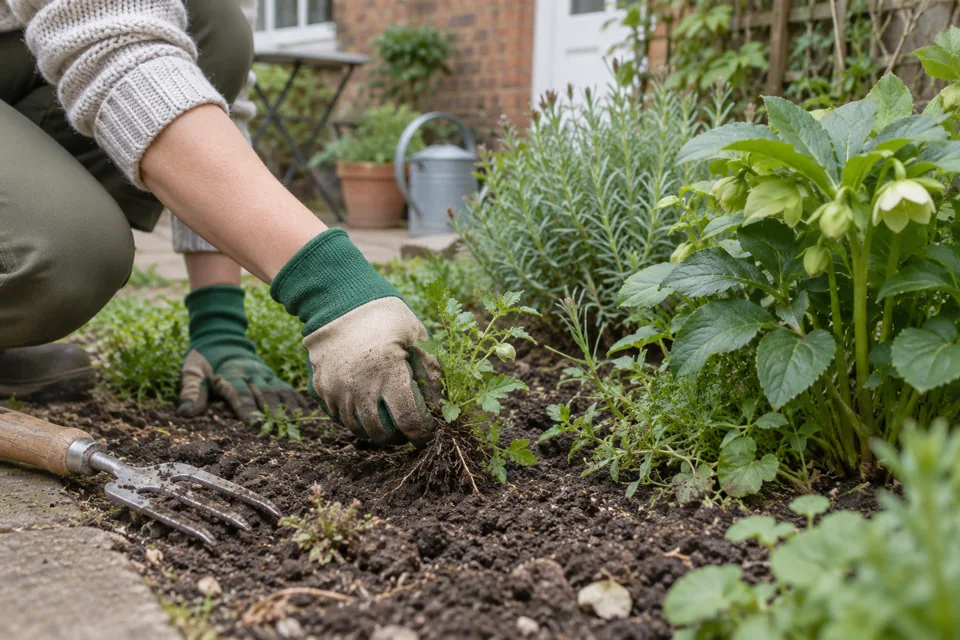
Discuss the beds and edges to be addressed, how extensive the growth is and what can be reached. Hand tools and suitable manual work may be appropriate for selected areas. Deep-rooted or persistent growth can require more than one visit or a different treatment, so one tidy-up should not be sold as permanent eradication.
Chemical weed treatment is not an assumed inclusion. Ask what method is proposed and explain pets, edible plants and nearby water features. Invasive plants or uncertain material should be identified before clearance. Specialist handling may be necessary; a routine garden appointment should not quietly become a different category of work.
Pruning depends on the plant and the timing.
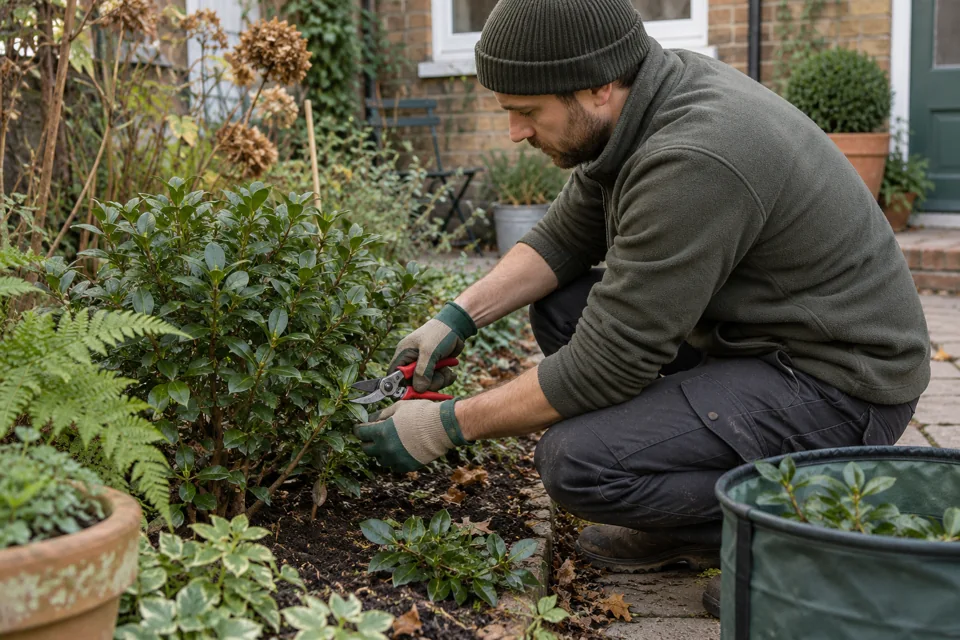
Give the shrubs or plants you want trimmed and the intended result. Shape, size and condition matter, as does the appropriate season for the particular plant. Ask what can be undertaken within the booking. Cutting every plant back hard is not a suitable universal tidy-up method, and tree surgery or work at height is not implied.
Wildlife checks belong in the decision. The RHS hedge-trimming guidance advises checking for nests before work; nests in use or being built are protected. Work must respect those restrictions rather than proceed simply because a date has been booked. Tell the team about known nesting activity before planning any trimming.
Seasonal tasks should reflect the actual garden.
Loose leaves and debris
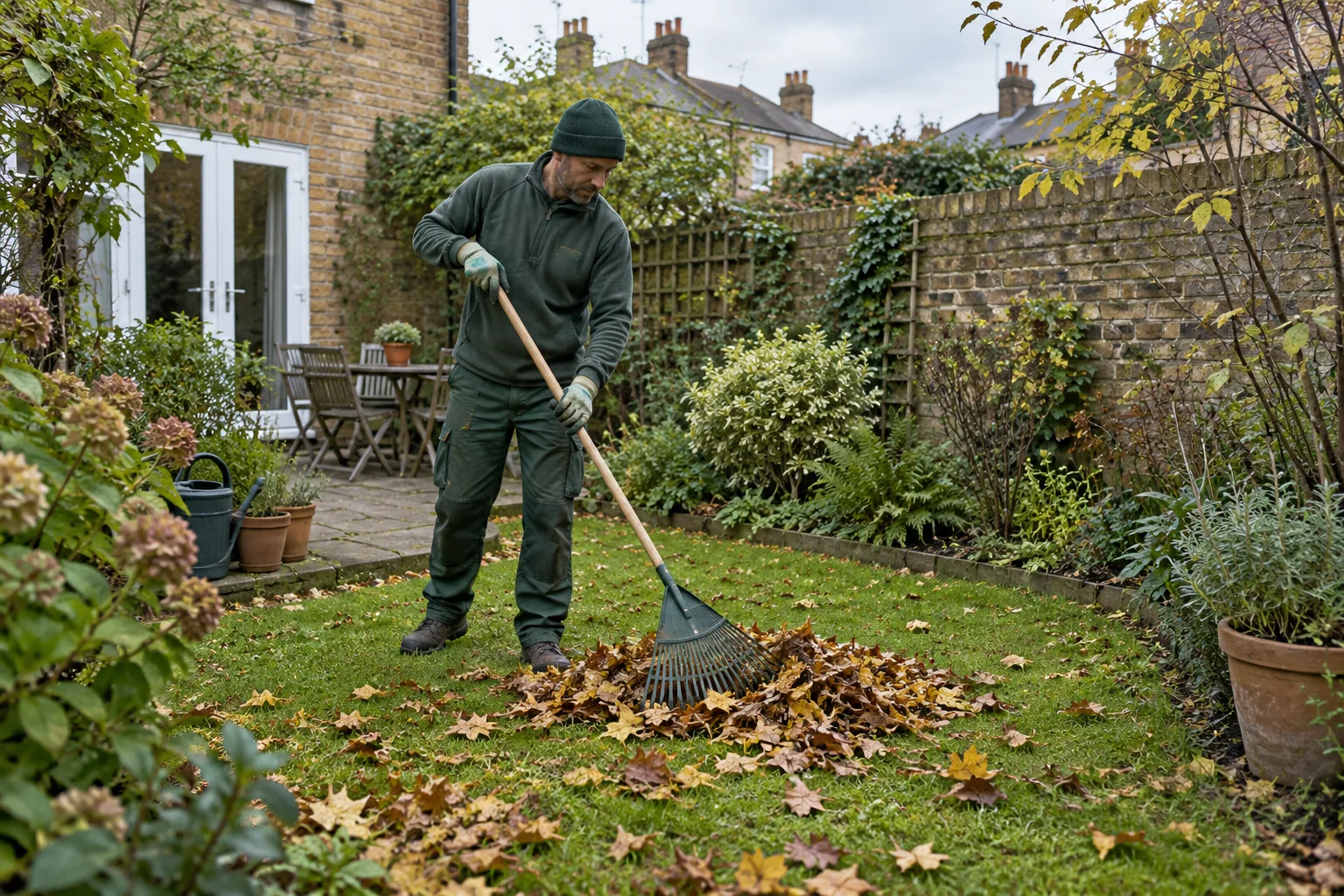
Identify paths, lawn areas and surfaces where leaves need gathering. Not every fallen leaf must be removed from every bed. Discuss where material can remain and where it obstructs access, keeping the garden’s use and wildlife areas in view.
Manageable growth
Explain where vegetation restricts the useful space and what reduction you want. The appropriate work depends on plant type and reach. A clear route or a neater edge is a concrete request; a promise to reshape every part of the garden is not.
The next maintenance step
A tidy-up can reveal further work rather than finish it all. Broken edging, poor drainage or damaged garden structures need their own assessment. Keep those issues separate so the cleaning and gardening list stays realistic.
Gathering waste and taking it away are separate arrangements.
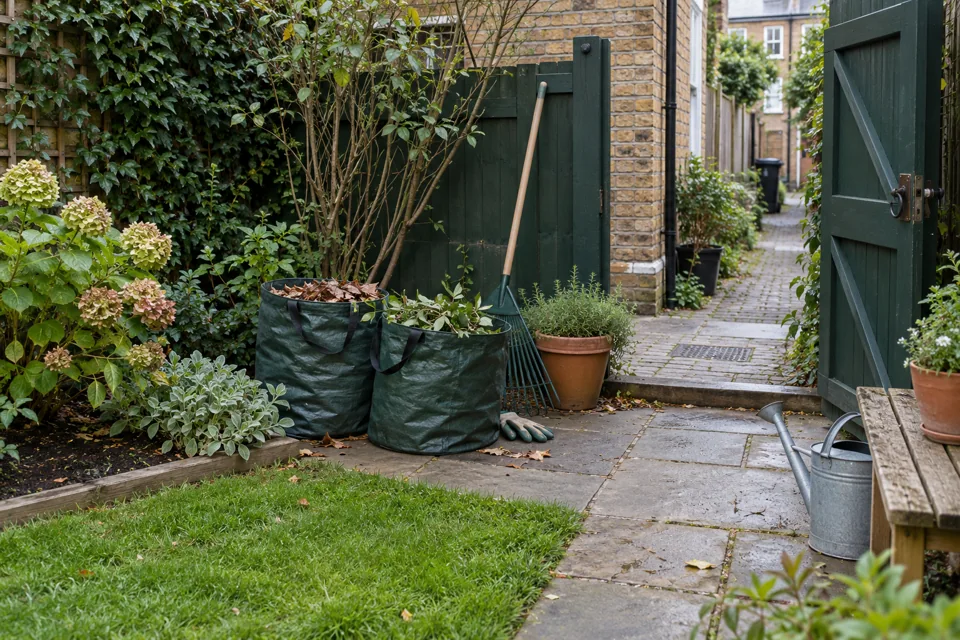
Confirm where leaves, prunings and other material will go. Bagging or placing suitable green material in an agreed location is different from off-site collection. Tell the team about available garden-waste bins and check their accepted contents. Soil, rubble, plastic and mixed household waste should not be treated as interchangeable with ordinary green waste.
Where a private business takes waste away, GOV.UK advises checking its waste-carrier registration. Ask who will undertake removal and how it is quoted. Check the registration of the business responsible for taking the waste away. Keep the disposal arrangement explicit before work creates a large volume of material.
Access can determine how much work fits into the visit.
Give gate width, steps, the route through the property and any shared entrance restrictions. Explain whether tools or waste must pass through indoor rooms. Move manageable outdoor belongings as agreed and secure pets away from the active area. Tell the team about uneven ground, concealed obstacles and any part of the garden that is unsafe to enter.
Confirm tools and any water or power needs for the proposed tasks. Gloves, appropriate hand tools and gathering equipment may be suitable, while powered or specialist work needs a separate discussion. The published service name does not promise every machine. Weather and ground conditions can affect the plan and should be reviewed if they change.
Describe the growth as well as the area.
Time depends on the tasks, density of vegetation, access, waste volume and plant-care restrictions. An open garden with scattered leaves is a different workload from a compact space with extensive growth. Provide current photographs and a prioritised list so the estimate is based on the condition rather than garden size alone.
Quotes are individual. Ask what labour, waste handling and additions are included, and whether VAT or a minimum charge applies. For hard surfaces, patio cleaning has its own material and water requirements. If the work is part of preparing the whole property, discuss indoor one-off tasks, seasonal household cleaning or moving-related cleaning separately.
Review the garden against the agreed work.
Check the areas addressed, material retained and waste arrangement at the end. Ask what needs ongoing attention and whether further work is recommended for a specific plant or area. Growth continues after a visit; a tidy-up does not guarantee a permanently weed-free or maintenance-free garden.
Keep the revised list useful for later appointments. If plants or priorities change, update the instructions. Cleaning and maintenance can improve access and remove agreed debris, but cannot repair structural problems or establish that every plant will thrive. Practical aftercare should reflect the actual work undertaken.
Questions about the outdoor work list.
Will you remove every plant in an overgrown bed? +
No such assumption should be made. Identify plants and features to retain and agree the intended clearance. Unidentified growth needs assessment before removal.
Does the visit include tree surgery? +
Substantial tree work and work at height are separate specialist tasks. Describe the request before booking and ask what can actually be undertaken within this service.
Can hedges be trimmed during nesting activity? +
Work must respect nesting birds and applicable restrictions. Tell the team about activity and allow the appropriate checks; a booked date does not override the need to protect active nests.
Is green-waste collection included? +
Confirm the disposal arrangement and price explicitly. Gathering material is not the same as taking it off site. Ask who handles removal and check the relevant registration where required.
Can you deal with an unknown invasive plant? +
Show it before clearance and seek identification. Specialist handling may be needed, so it should not be assumed part of routine weeding or mixed garden-waste disposal.
Will weeds stay away after one visit? +
No permanent result is promised. Plant type, roots and conditions affect regrowth. Ask what maintenance or further assessment is appropriate for the actual area.
Keep the plants you value. Plan the work you need.
Call with current garden photographs, access details and your priority tasks.