Cleaning visible growth is only part of the problem.
Visible growth and the source of damp need separate attention.
The service enquiry should establish whether appropriate surface cleaning can be undertaken and what other work is needed. A small accessible hard surface is different from widespread growth, damaged plaster or contamination behind fittings. This page does not promise structural remediation, hidden-cavity clearance or a guarantee that the whole property is mould-free.
Official damp-and-mould guidance stresses addressing underlying causes rather than merely removing visible mould. Damp and mould can affect health, with some people at greater risk. Seek appropriate professional advice about health concerns and building defects; a cleaning result is not medical reassurance or proof that the moisture problem has been repaired.
The history helps the assessment
Where it appears. When it comes back.
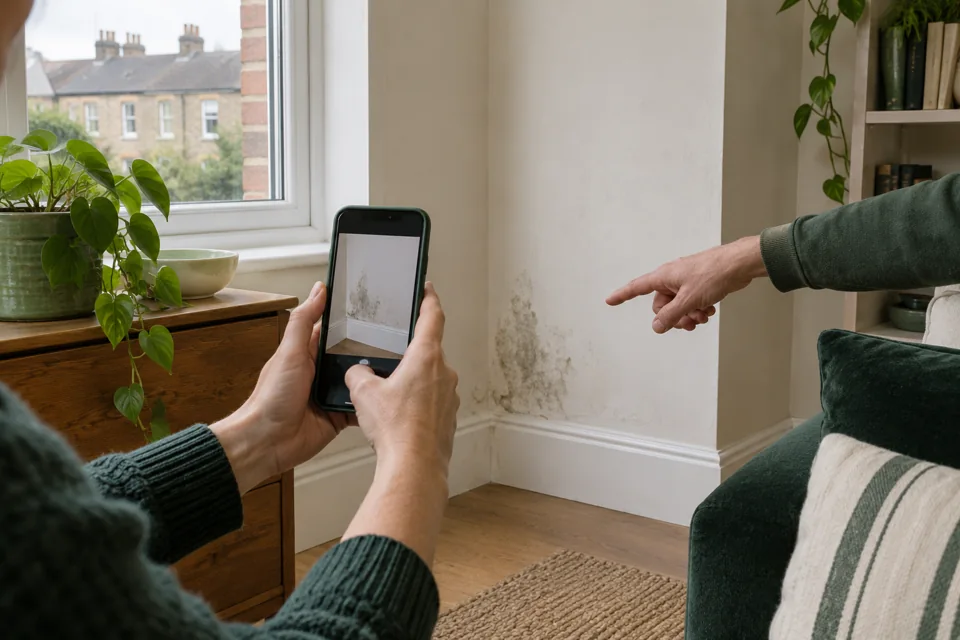
Explain the room, approximate affected area and the material involved. Tell the team whether growth is new, longstanding or recurring after previous cleaning. Mention known leaks, recent water damage or building work. Photographs of the whole area and close detail are useful, without disturbing the material to obtain them.
Colour alone does not establish the mould type or the extent of the problem. A photograph is not a complete building survey. Do not remove panels, strip finishes or lift flooring to investigate yourself for a cleaning enquiry. If the concern extends behind the visible surface, ask the appropriate building specialist how it should be assessed.
Agree what can be cleaned and what needs another response.
Accessible hard surfaces
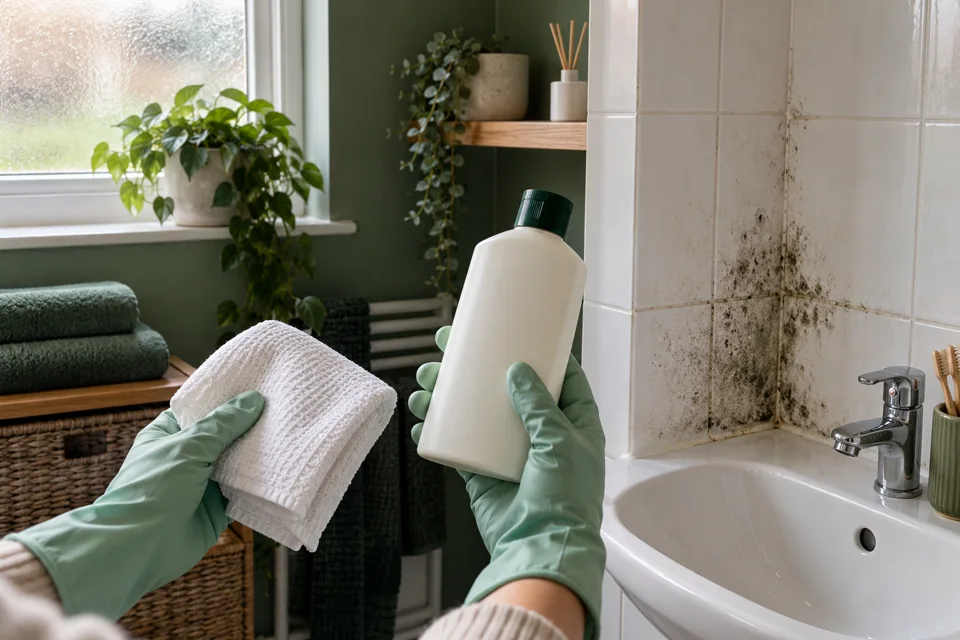
Suitable localised surface treatment may be considered after assessment. The product and method must suit the material, and the extent should be recorded in the quote. Do not read a general removal service as permission to treat every surface in the home with the same product.
Damaged or porous materials
Describe damaged plaster, wallpaper, wood, fabrics or other affected material. Surface wiping may be insufficient or inappropriate. Replacement, repair or specialist remediation may be necessary, and those tasks should not be presented as ordinary cleaning inclusions without an explicit suitable plan.
Widespread or hidden concerns
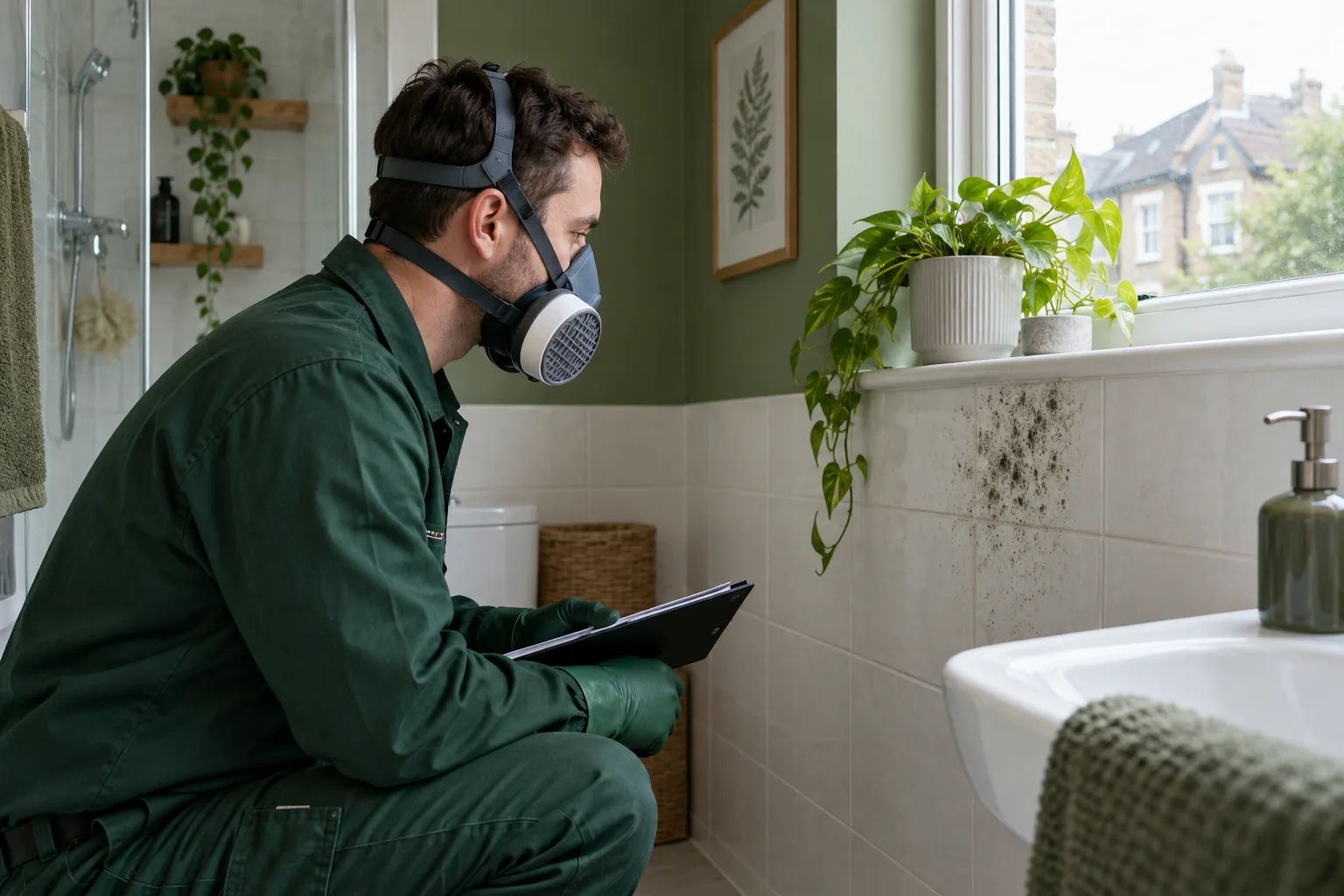
Extensive contamination, an uncertain moisture source or suspected growth behind installations requires further assessment. A responsible enquiry can end with a referral or a decision that the proposed cleaning is unsuitable. Attendance should not be promised before the condition is understood.
The proposed treatment must be explained before work.
Ask the team to state the areas they can address, the method, products and relevant precautions for your booking. Assessment should consider occupants, access and surrounding materials. Appropriate protection and controlled treatment need to reflect the actual risk; this page does not invent a company protocol, certification or equipment specification.
Where cleaning is agreed, the work should follow the product and surface instructions, with relevant drying and re-entry advice at handover. No universal bleach recipe, fogging method, steam process or air treatment is prescribed here. Do not mix household chemicals or attempt dry brushing to prepare the patch; discuss previous products already used.
A cleaner is not a substitute for a leak or damp investigation.
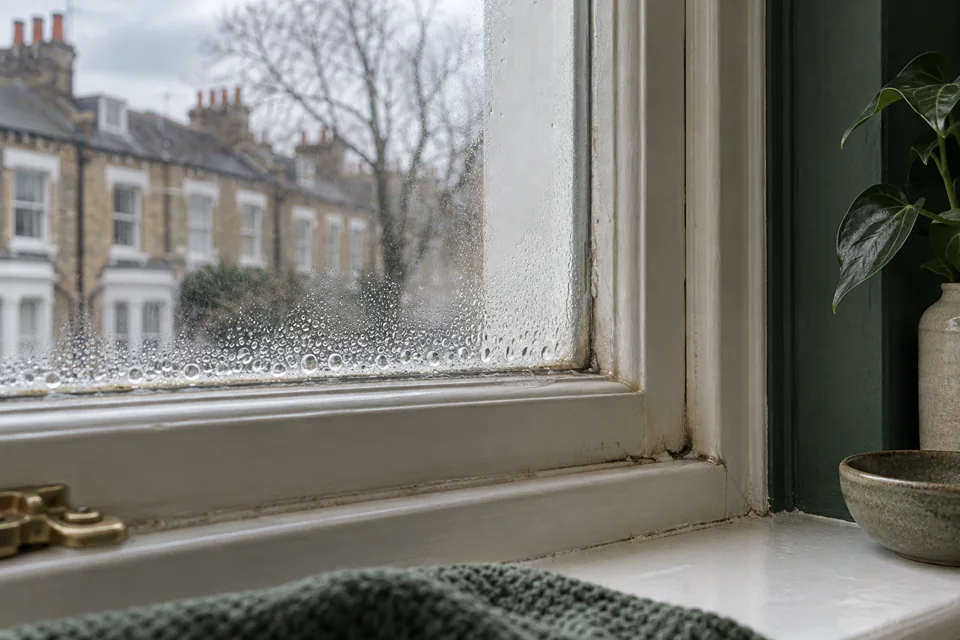
If there is a known leak, failed fitting or building defect, contact the responsible repair service or property manager. Describe the issue without assuming that opening a window is a sufficient response. Ventilation, heating and the building itself may need assessment. This service does not promise to diagnose every damp mechanism or undertake construction repairs.
In rented accommodation, report the issue to the landlord or managing agent and retain the correspondence. Give dated photographs and information about recurrence. The cleaning booking should not replace the property’s repair process or be used to conceal an unresolved problem at a handover. Ask for appropriate assessment of the cause alongside any suitable surface work.
Useful preparation is information
Document the area. Leave unsafe disturbance alone.
Have photographs, the approximate extent and previous treatment details ready. Explain who uses the room and any access restrictions, particularly where someone may need additional precautions. Ask what arrangements are required during the proposed work. A suitable assessment should determine whether occupants can remain nearby, rather than applying one assumed rule to every job.
Clear manageable belongings only where it is safe and agreed. Avoid moving contaminated items through unaffected rooms without advice. Do not begin scraping, sanding or opening cavities as preparation. Suspected hazardous building material is a separate concern and must be disclosed before ordinary cleaning is considered.
The estimate follows the assessed scope.
Area, material, access, condition and the proposed treatment affect working time. Drying and re-use can require additional time beyond the visit. A standard room count cannot establish the workload, and this page gives no fixed duration. Ask which part of the problem the team is able to address and which part remains outside the appointment.
Request a quote for the assessed mould work; no verified numerical tariff is published here. Confirm products, areas, exclusions and any follow-up arrangement, plus VAT or a minimum charge where applicable. Repair, replacement, specialist inspection and return visits should be identified separately rather than being implied by the initial price.
Keep ordinary cleaning separate from the mould brief.
Once suitability and any required repair work are resolved, unrelated household tasks can be discussed through deep cleaning or domestic cleaning. Construction residue after repairs has a distinct after-builders scope. Neither service should be used to bypass assessment of an affected area.
If the property is being handed back, include the damp concern in the communication around tenancy-end cleaning. A cleaner cannot guarantee a deposit outcome or certify that a property defect has disappeared. The work list should remain honest about unresolved issues.
Monitor recurrence and follow the agreed advice.
Ask when the treated area can be used, what drying is required and what remains to be assessed. Record the areas addressed and any limitations. Remaining discolouration can differ from visible growth, so ask about it rather than repeatedly applying stronger products. A clean-looking surface alone does not establish the condition behind it.
If growth returns, report it and revisit the underlying moisture investigation. One appointment cannot guarantee permanent prevention where the conditions remain unresolved. Keep repair records and photographs together so subsequent assessment has a useful history instead of beginning again with only the latest visible patch.
Questions about the limits of surface treatment.
Will mould stay away permanently? +
No permanent prevention is promised. Recurrence can indicate an unresolved moisture issue. Cleaning and the assessment of its cause need to be considered separately.
Can a photograph identify the mould type? +
Not reliably. Images help describe location and extent, but colour or appearance does not establish a complete diagnosis. Further specialist assessment may be necessary.
Can you clean behind walls? +
Hidden-cavity remediation and dismantling are not represented as ordinary inclusions. Describe the concern before booking and ask the appropriate building specialist about assessment.
Should I paint over it before the visit? +
Do not conceal the affected area to prepare for cleaning. Keep its history and photographs available, and seek advice about the moisture issue and suitable treatment before decoration.
Does removal repair a leak? +
No. Leaks and building defects need appropriate repair work. A surface-cleaning appointment should not be treated as completion of that repair.
Can anyone remain in the room during treatment? +
Ask for the arrangements based on the particular assessment, products and occupants. Re-entry and drying advice must relate to the work actually agreed, rather than an assumed universal rule.
Describe the visible problem. Ask what assessment is needed.
Call with the location, extent, surface and known moisture history.